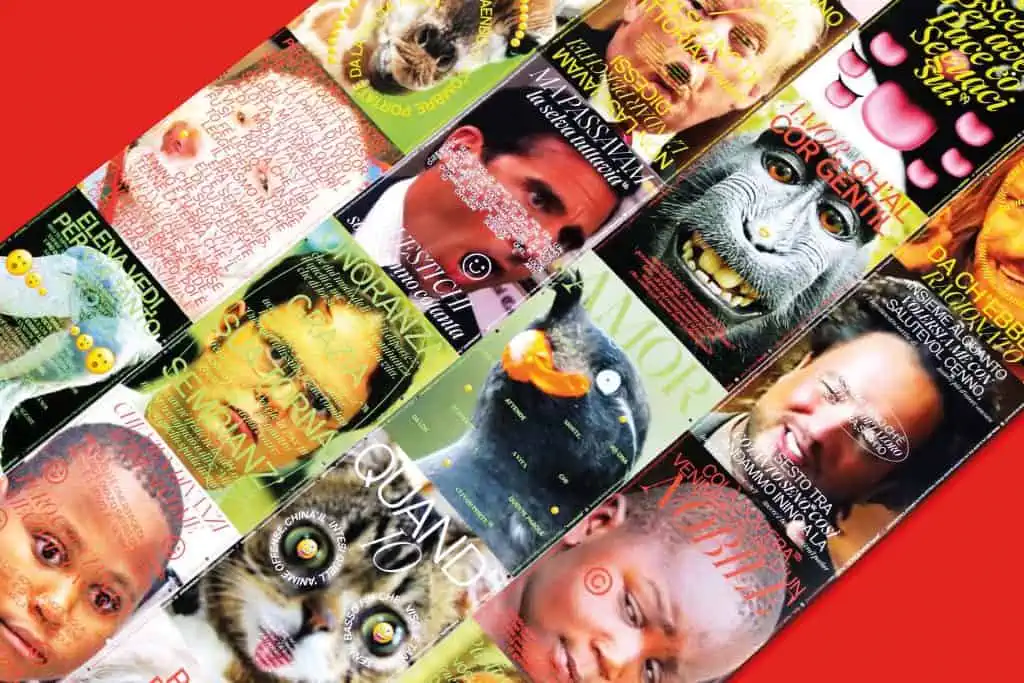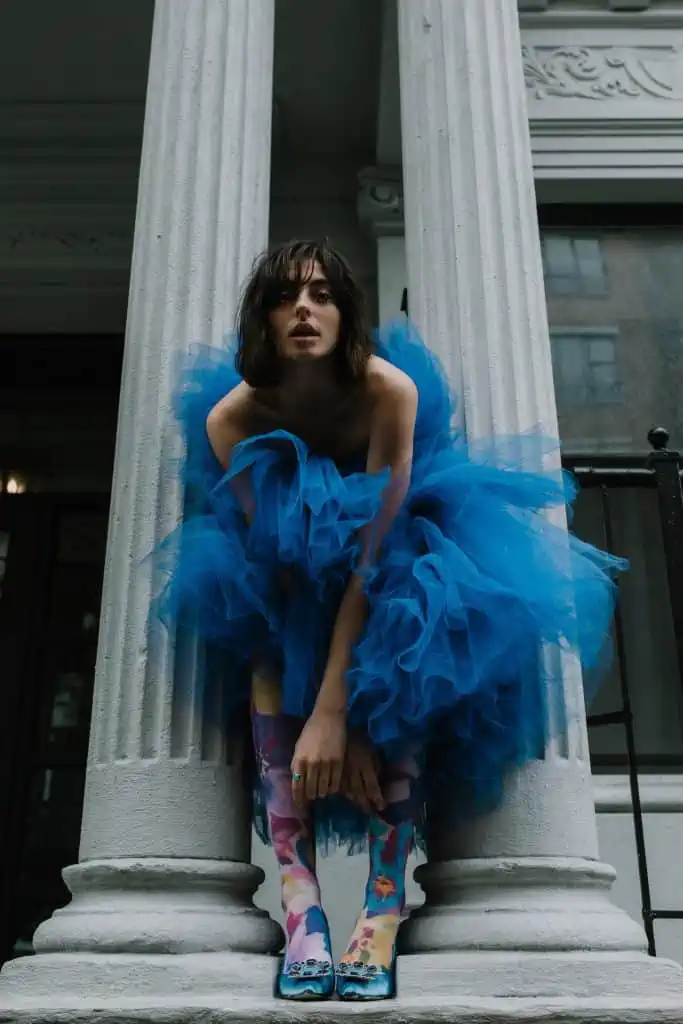
The fashion system is a segmented and complex territory. It is divided into very different product categories where materials and technologies are the vectors of innovation. Tools to stand out are passion, willingness to work hard, desire to learn and compete in the world of fashion production and distribution. There are perfect recipes to succeed in this field, but it is useful to acquire specific language and methodology skills.
Credits
Duration
Start
November
Language
Marco Bagalini and Steven Trow
Marco Bagalini: A fashion educator, pattern maker and author specialising in garment construction, sartorial techniques and pattern-making methodology. His work combines academic teaching, hands-on practice and technical research, with a focus on making complex construction processes clear and accessible to fashion students. Founder of PatternPRO and President of ANSEMI ETS, he promotes a technical and conscious approach to fashion education, where construction, fit and craft become essential tools for developing more precise and intentional design practices.
Steven Trow: A manager and financial executive with over 25 years of experience in the luxury & fashion industry, including CFO, HR, and Audit roles at Hermès and Gucci Group. A lecturer and guest speaker at universities and fashion schools worldwide, offers students and professionals insights into strategic analysis of the luxury business, fashion marketing, and career counseling.
First year
Project Methodology
Materials Typology 2
History of Contemporary Art
History of Fashion 2
Elements of Journalistic Communication
Photography
Fashion Styling
Design Methodology for Visual Communication
Marketing and Management
Graphic Design
Other Activities
English for Artistic Communication
Second year
Theory and Analysis of Cinema and Audiovisual Media
Materials Typology 2
History of Fashion 2
Copywriting
Advertising Communication
Fashion Editorial Design 2
Phenomenology of Contemporary Arts
Design Management
Sociology of Cultural Processes
Student-Selected Course
Other Activities
Third year
Ethics of Communication
History of Fashion 3
Communication Methods and Techniques
Design Culture
Ecodesign
Current Trends in the Visual Arts
Digital Information and Communication Law
Costume Design for the Performing Arts
Student-Selected Course
Workshops
Final Project (Thesis)
Graduates can pursue junior roles in fashion companies, communication agencies, marketing departments, publishing, e-commerce, showrooms and retail.
Professional opportunities include roles in marketing, brand communication, PR, social media and content, styling, merchandising, editorial communication, digital marketing and creative direction.
Their knowledge of fashion product and design also enables them to collaborate effectively with designers, product managers, buyers, merchandisers and commercial teams, connecting creative ideas with communication and market objectives

This site uses technical cookies necessary for its operation and, with your consent, analytics, preference, and marketing cookies to improve your experience. You can accept all cookies, reject unnecessary ones, or customize your preferences.
Cookie preferencesSelect the cookie categories you want to enable. Necessary cookies are always active and cannot be disabled.
Essential for the site's functionality (e.g., shopping cart, session, security, saving cookie preferences). They cannot be deactivated.
They allow the site to remember your choices (e.g. language, region) to offer you a more personalized experience.
They collect information in aggregate form on the use of the site for statistical purposes (e.g. Google Analytics).
Used to show relevant advertisements and measure their effectiveness (e.g. Google Ads, Meta Pixel).