


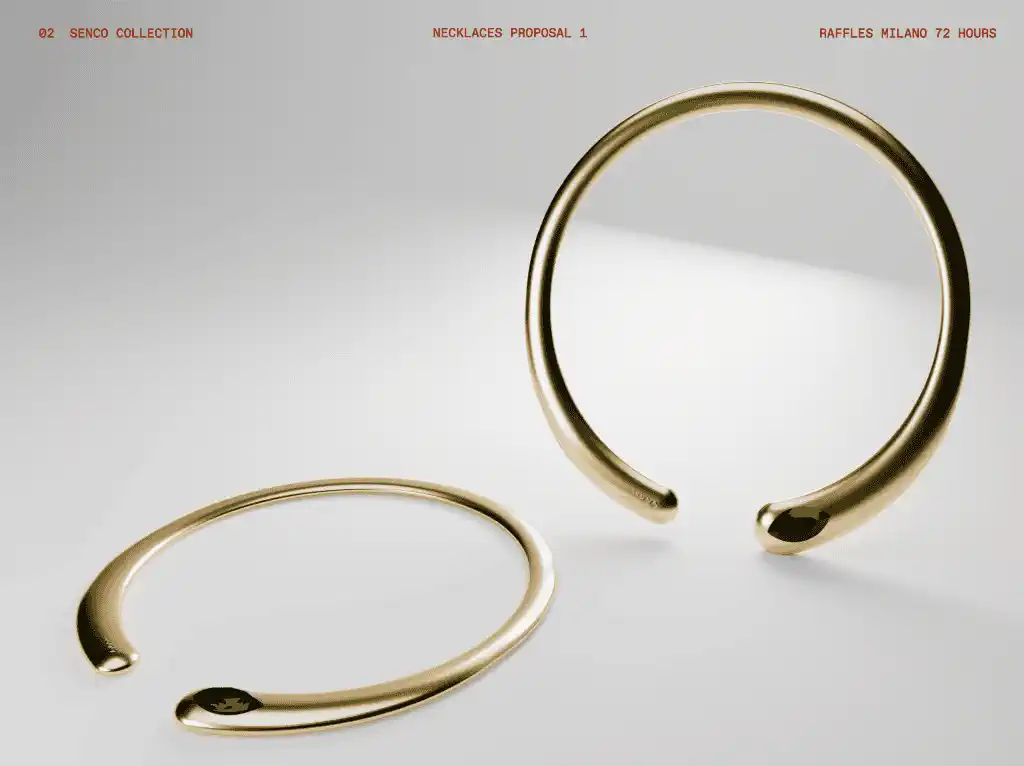
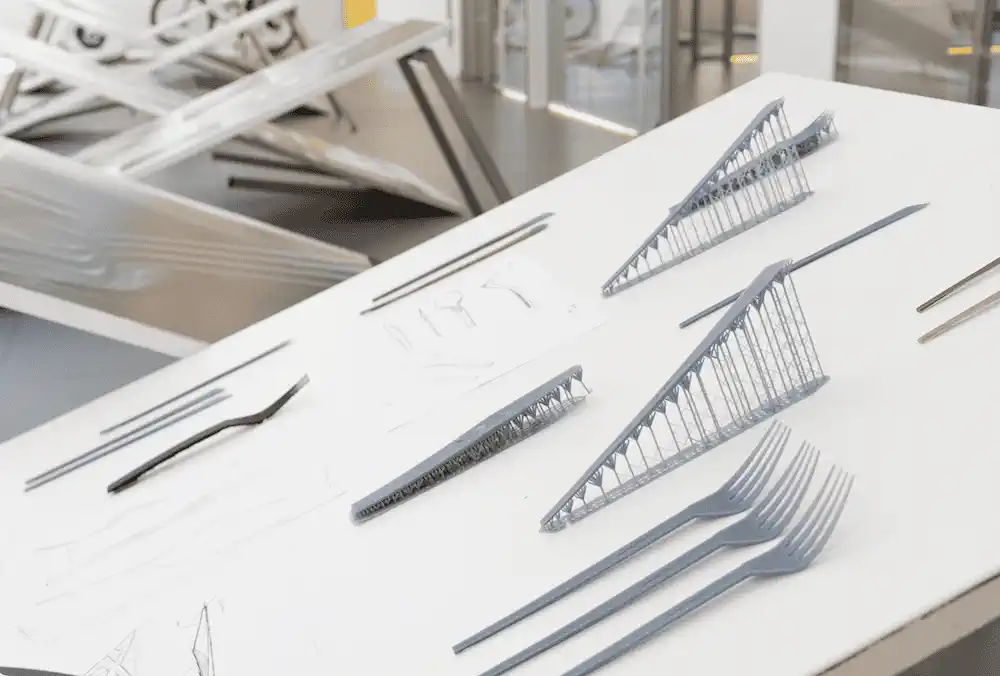
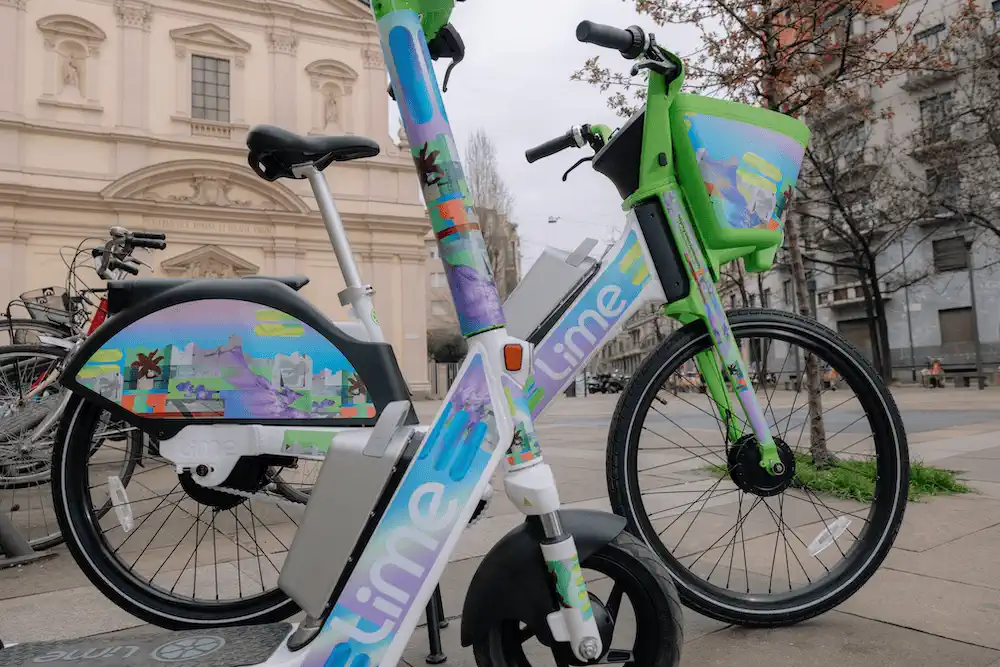
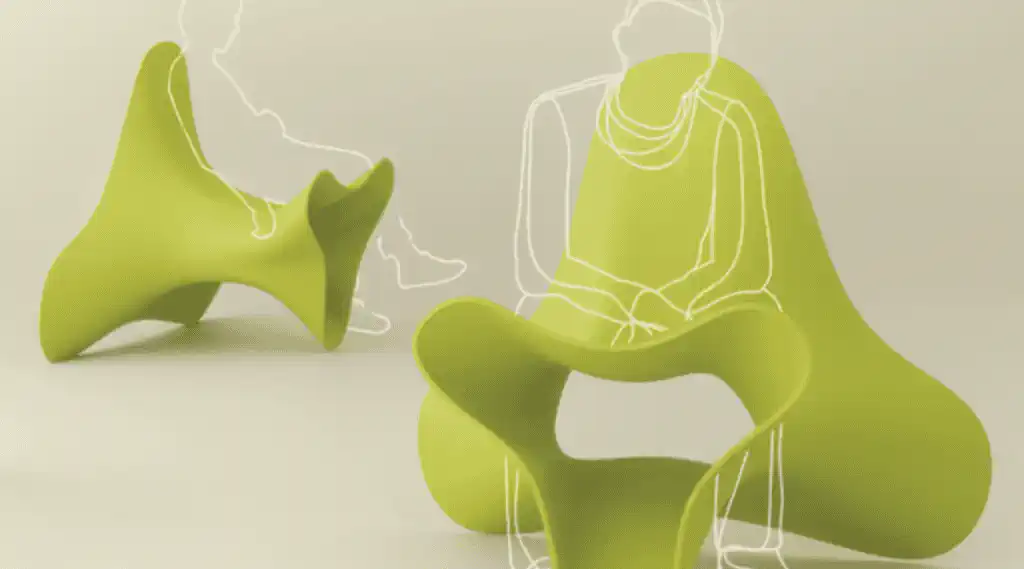
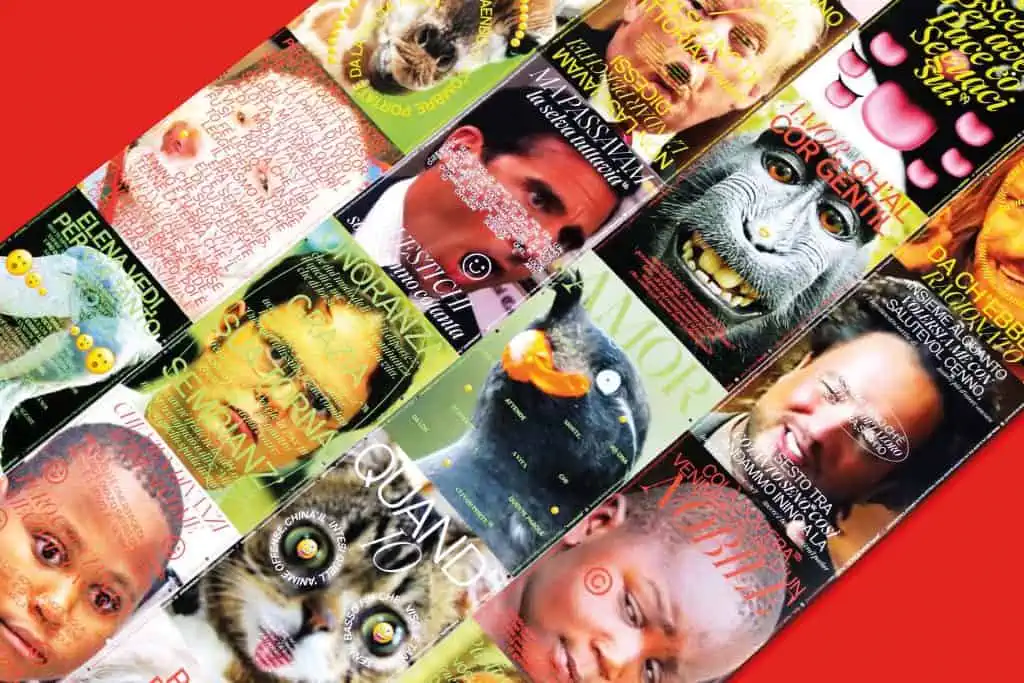
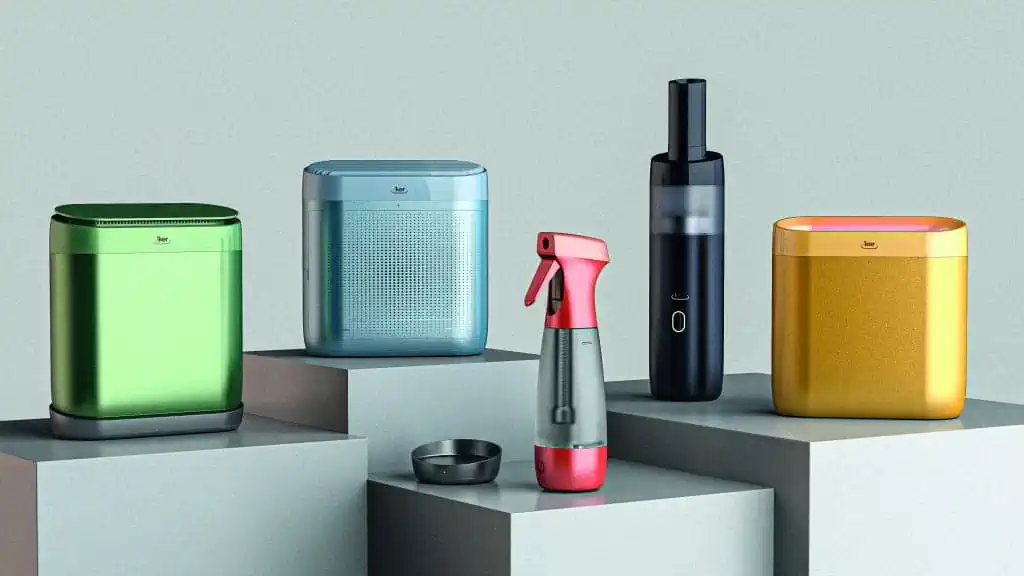
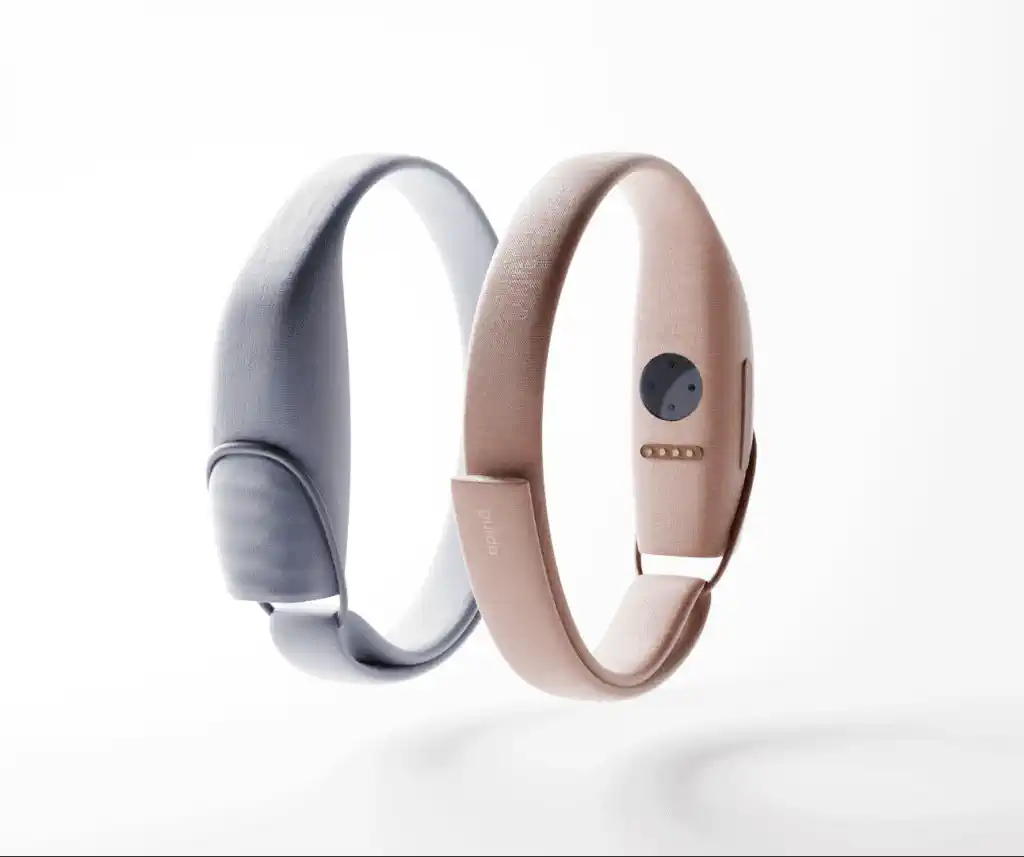
Contemporary life is full of complex messages, images, meanings, symbols, artifacts and rules. Visual design helps us understand the world around us, orients us in cities and museums, and shapes coherent and integrated visual identities, digital interfaces, and audiovisual products. The main goal of the course is to build a community united by a desire to explore and interrogate the broad field of graphic design and visual communication, transcending the traditional boundaries of the discipline and renewing its rules.
Credits
Duration
Start
November
Language
Graphic and interior designer. In 2008 she founded XxY Studio. Over fifteen years her work has spanned visual identities for companies, organisations, product lines, and editorial projects, with a consistent focus on how visual languages develop and change over time.
All students in Visual Design bachelor begin with a shared foundation in visual language, typography, brand design, editorial design, digital communication.
As they progress through the programme, students willcontinue to deepen the visual subjects.
The three years are structured around a clear progression, from the physical and foundational to the digital and autonomous.
During the first year, students build a working foundation in the fundamentals of the discipline: visual language, typography, drawing, history of visual communication, and the core design tools. Alongside this, the programme places particular emphasis on print culture and self-production — bookbinding, printing techniques, and the design of physical objects run alongside digital practice from the outset.
In the second year, the focus expands into moving images, interfaces, and communication: motion graphics, digital animation, UX/UI design, infographics and information design, and art direction. The history of cinema and video provides a cultural foundation for understanding the moving image as a design language. Students also develop type design skills and build a theoretical framework through courses in mass media, contemporary arts, and the sociology of communication.
The third year brings together advanced brand design, interaction design, semiotics, and AI-generated imagery — working with these tools not as shortcuts but as mediums to be understood, controlled, and applied with intention. A cinematography and editing lab connects film language directly to motion and digital animation practice. The year culminates in the graduation thesis. Studying in Milan means working in one of the densest concentrations of publishers, design studios, and brand communication in Europe. Faculty are practising designers. Project briefs are often drawn from real contexts.
Graduates will be able to apply to traditional design roles such as visual designers, graphic designers, art/creative director, brand designer, digital designer, packaging designer. They will also be skilled designers of the digital age, thanks to their peculiar education, all interdisciplinary. They will be able to express themselves as UX/UI designer, motion graphic designer, designer for augmented reality and virtual reality.
This site uses technical cookies necessary for its operation and, with your consent, analytics, preference, and marketing cookies to improve your experience. You can accept all cookies, reject unnecessary ones, or customize your preferences.
Select the cookie categories you want to enable. Necessary cookies are always active and cannot be disabled.
Essential for the site's functionality (e.g., shopping cart, session, security, saving cookie preferences). They cannot be deactivated.
They allow the site to remember your choices (e.g. language, region) to offer you a more personalized experience.
They collect information in aggregate form on the use of the site for statistical purposes (e.g. Google Analytics).
Used to show relevant advertisements and measure their effectiveness (e.g. Google Ads, Meta Pixel).